
In this article
Fire pits are used for four things, in roughly this order: warmth on cool evenings, a place for people to sit together, cooking over a fire, and the look of the thing in the yard. What any particular pit is good for depends almost entirely on its fuel. A wood pit cooks, smokes and throws real heat. A gas pit lights instantly, stays clean and does almost nothing else. Nail down which of those four you actually want and the buying decision makes itself.
What every fire pit gives you
Some of what a fire pit does is the same regardless of what it burns.
Warmth
The main one. Heat output is measured in BTUs, and the number is printed on the box for gas pits, so it is the easiest spec to compare. More BTUs, more heat, though how much of it reaches you depends on how open the pit is and how the wind is moving. A wood fire is not rated the same way but generally puts out more, and you can build it bigger when it gets cold. If warmth is the whole point for you, it is worth reading how far a fire pit actually keeps you warm before you buy on looks.
Somewhere for people to end up
This is the use that does not show up in the specs and is probably the one people are really buying. A fire pit gives the yard a center. People sit facing it, which means they sit facing each other, and conversations last longer than they would around a patio table. Kids stay outside longer. Guests stop drifting back into the kitchen.
It works in summer too, when nobody needs the heat, which tells you it was never really about the heat.
Something to look at
Watching a fire is a low-effort form of entertainment, and there is no arguing with how well it works. Add music and a few chairs and an evening disappears. The flame is doing something slightly different every second, which is enough to hold attention without demanding any.
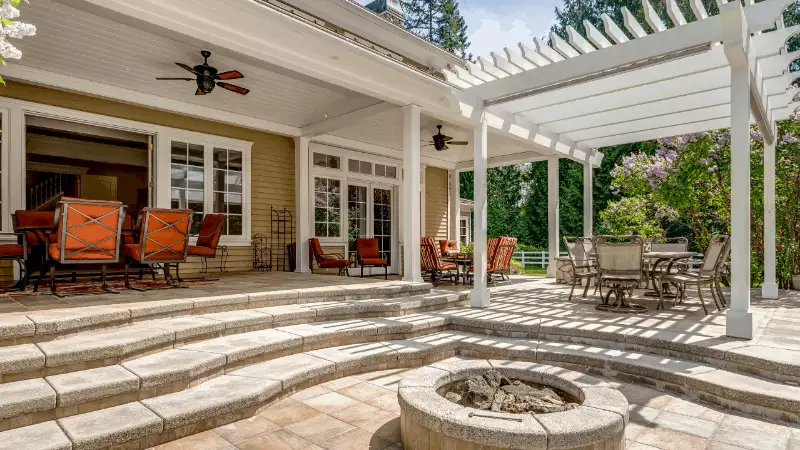
The pit itself is also an object in the yard. Plenty of them are designed to look good cold, and a good-looking fire table anchors a patio the way a coffee table anchors a living room.
A modest bump to what the yard is worth
A built-in or installed fire pit is a permanent feature, and permanent outdoor features are the kind of thing buyers notice, which puts it in the same category as the other outdoor upgrades that add value to a home. A portable pit is furniture and leaves with you.
Do not buy one as an investment, though. The return on a fire pit is the four or five months a year you use it, and if you are not planning to sell, the resale argument is beside the point.
What each fuel type is actually good for
This is where the answer stops being general.
Wood
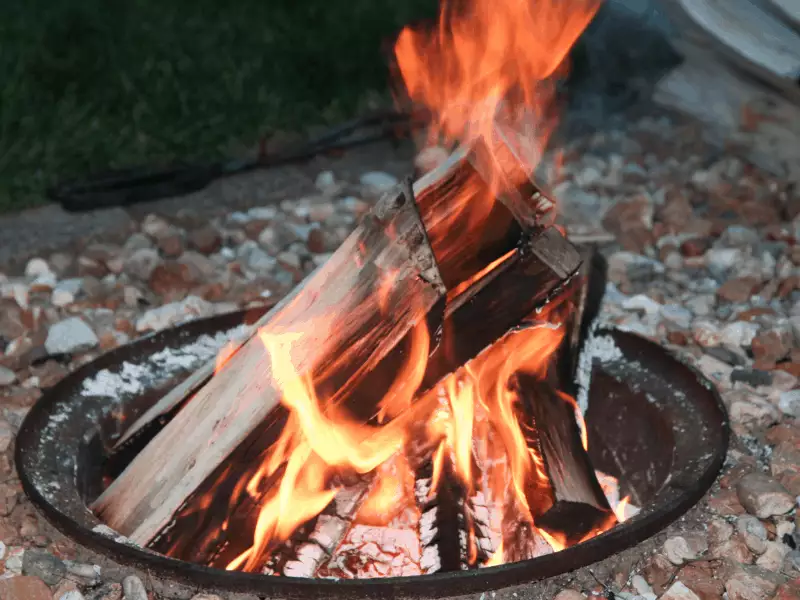
A wood-burning fire pit does the most and asks the most. You are gathering or buying wood, building the fire, feeding it, and cleaning ash out afterward. In exchange:
You can cook on it, and I mean real cooking, not just marshmallows. Add a fire pit cooking grate and it becomes an open-fire grill: burgers, foil packets, skewers, whatever a campfire can handle. This is the single biggest functional gap between wood and gas, because drippings and juices will clog the burner ports on a gas pit. Marshmallows are the exception, and you can roast those over a gas pit without trouble.
It smells and sounds like a campfire: the crackle, the pop, the woodsmoke on your jacket the next morning. Gas gives you none of that, and for a lot of people that is the entire argument.
The smoke keeps some bugs off. It is not a mosquito control strategy, but the side of the fire the smoke is blowing toward is noticeably less buggy than the other side. Gas pits produce no smoke and do nothing here.
It also uses up wood you already have. If you are on a wooded lot with more deadfall than you know what to do with, a wood pit turns a chore into an evening.
The catch is legal as much as practical. Plenty of areas ban or restrict wood burning, permanently or during burn bans, so check local rules before you commit.
Propane
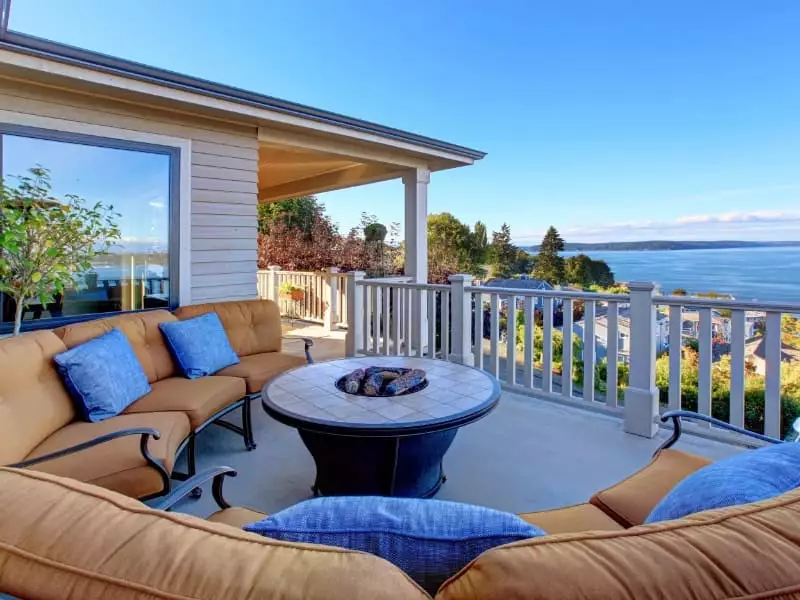
Propane fire pits are the most common choice, and it is a convenience argument from top to bottom. Turn the knob and you have a fire; turn it back and you do not. There is no wood to buy, no ash to shovel and nothing left glowing at the end of the night, and most models shut the gas off automatically if they get knocked over.
They are also easier to move than anything else here, because no gas line ties them to one spot. You can shift one to follow the shade or put it away in the garage over winter. What you give up is cooking, smoke, sound, and usually some heat.
Natural gas

Natural gas pits behave like propane pits with the tank problem solved. They never run out mid-evening and you never haul a cylinder anywhere. The cost is installation: unless a gas line already reaches the spot you want, you are hiring someone to run one, and that job usually decides the price of the whole project.
Because they are plumbed in, they are permanent, and permanent is what makes them the version most likely to read as part of the house rather than as patio furniture. They also tend to be larger than portable propane models.
Choosing based on what you want out of it
If you want to cook over fire, or you want the smell and the crackle, buy wood and check your local rules first.
If you want a fire on a weeknight without a project attached, buy propane.
If you are building a patio anyway and there is already gas in the yard, natural gas is worth the trench.
If you cannot decide, the full breakdown of cost, heat, maintenance and safety is in the wood versus gas fire pit comparison. And whichever you land on, the placement and clearance rules matter more than the model does, so read the fire pit safety rules before you pick a spot in the yard.