In this article
- Check the forecast, especially for lightning
- Look at your yard the way a stranger would
- Know what bites where you live
- Decide about the fire before anyone gets excited
- Work out the supervision plan
- What to pack
- What to actually do out there
- Break camp as a team in the morning
- Questions people ask
- Watch it done
Yes, for most families. Backyard camping is safer than any other kind of camping for the obvious reason that the house is right there. The four things that decide it are the forecast, how private and enclosed your yard is, what bites or stings where you live, and whether an adult is within earshot. Get those right and the biggest risk of the night is that nobody sleeps.
Here is how to check each one, and then what to pack and what to do once you have decided to go ahead.
Check the forecast, especially for lightning
Rain is fine. Rain is arguably better than clear skies, because being dry inside a tent while it drums on the fly is half the appeal. Just tell the kids it is coming, or you will spend the evening negotiating with children who expected to run around the yard until midnight.
Lightning is the one to call it off for. Weather.gov puts it plainly: lightning kills about 20 people a year in the United States and injures hundreds more. The odds on any given night are tiny, but a tent in an open yard is not shelter, and the fix is free. If there is lightning in the forecast, sleep inside and try again tomorrow.
Wind matters too, for a reason that is easy to miss. Dead branches come down in gusts. Walk the yard in daylight and look up at whatever you are about to pitch a tent under.
Look at your yard the way a stranger would
The honest question is whether someone walking past can see into your yard and get into it. A fenced back yard with a gate is a different proposition from an open front lawn on a through road.
You probably already know how safe your street is. If you want to check rather than assume, local crime data is on cityprotect.com and the sex offender registry is at familywatchdog.us. Both are free.
If the yard is open but you know your neighbors, that changes the calculation, and only you can make that call. A dog who barks at strangers is worth more than any of this. If you have one, let the dog sleep out there. The kids will be delighted and you will sleep better.
Know what bites where you live
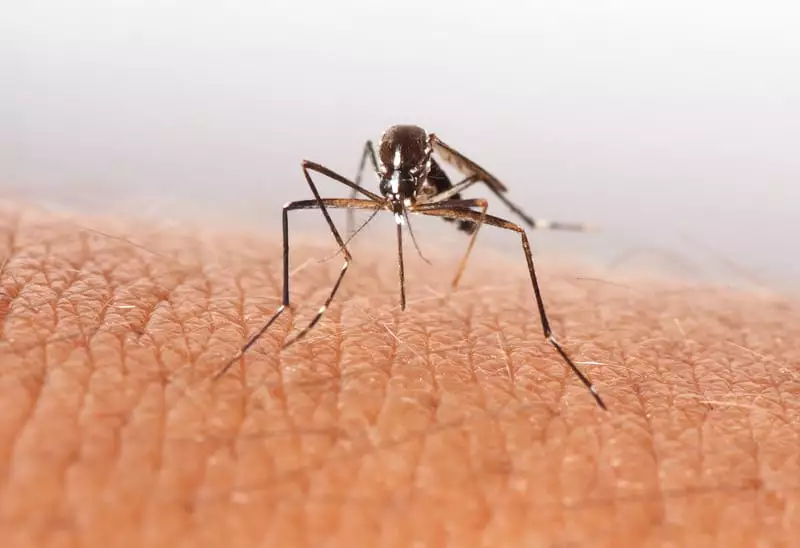
Insects are the thing most people forget until something is buzzing in the tent at 11pm.
Mosquitoes are mostly a nuisance in North America rather than a danger, but they will ruin the night if you have not dealt with them. Repellent on skin, and check the yard for standing water in advance: buckets, plant saucers, a wheelbarrow, the sagging bit of a pool cover.
Ticks are the more serious one across much of the country because of Lyme disease. Keep the tent off long grass, and do a proper tick check on everyone in the morning, hairlines and waistbands included.
Spiders are worth a thought if you are in brown recluse territory, which is mostly the central and southern states, or where black widows are common. Neither goes looking for people. Both end up in things left on the ground overnight, so shake out shoes and sleeping bags in the morning. Scorpions are the same story in desert regions.
Bees and wasps only matter if someone in the family is allergic, and if they are, you already know it. Check where the nests are before you pitch, and have the epinephrine auto-injector outside with you rather than in a kitchen drawer.
Decide about the fire before anyone gets excited
Check for a burn ban first. Dry regions have them for months at a stretch and they are not suggestions. Then check what your municipality allows for open fires in a residential yard, which is often stricter than the state rule.
If you are clear to burn, clear a wide margin of dead leaves, dry grass and overhanging branches around the fire, keep a bucket of water or a hose within reach, and have an adult sitting with it the entire time it is lit. It is very easy for an excited child to trip near a fire ring in the dark, and that is more likely to cause a burn than the flames themselves are.
It is also a good teaching moment. Showing a seven-year-old how to build a fire and, more importantly, how to put one out properly, is worth more than the marshmallows. I went through the method in starting a wood-burning fire pit, and the rules worth enforcing are in fire pit safety tips.
No fire allowed? A charcoal grill still cooks hot dogs and gives you something to sit around. Propane fire pits are the other route, and yes, you can roast marshmallows on a propane fire pit, with a couple of caveats.
Work out the supervision plan
There is no age chart for this. It depends on your kids and your yard.
If you are sleeping out there too, most of this section does not apply. If you are not, decide in advance how often you will check on them, and actually do it rather than falling asleep at 10 and waking at 6. Older kids often want the yard specifically to get away from parents, which is fine, and a couple of check-ins does not spoil it.
Then set the rules, and set few enough that they might be remembered:
- Nobody leaves the yard, for any reason, ever.
- Come inside if you are scared, cold or unwell. No one gets teased for it.
- The fire does not get touched or fed after the adults go in.
- Here is how you reach us.
Expect the rest to be broken. They are going to stay up far too late, tell ghost stories and run around the yard at midnight, which is the point of the whole exercise. If you leave a phone with them for emergencies, accept that the screen-free rule is now decorative.
What to pack
The advantage of backyard camping is that forgetting something costs you a walk to the kitchen. Still, the fewer trips inside, the more it feels like real camping. Gather it all before dark: food, drinks, tents, sleeping bags, sleeping pads or air mattresses, pillows, blankets, flashlights, bug spray, and whatever you plan to play with.
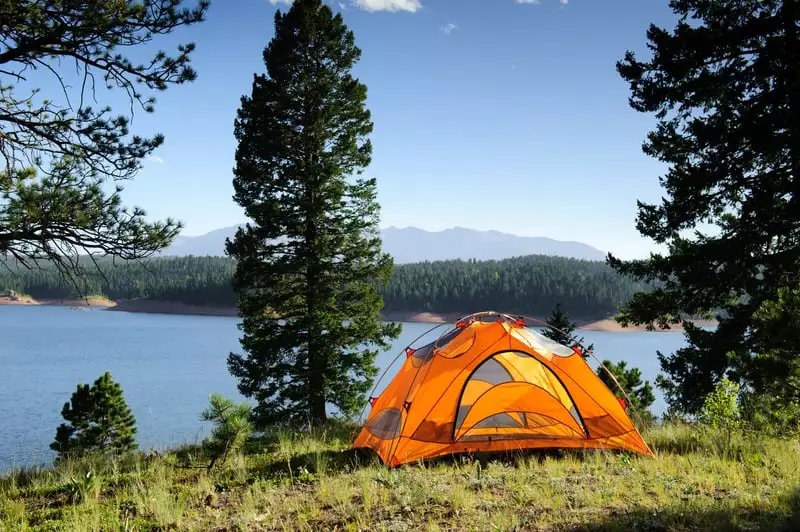
A few specifics, none of which I have tested personally, so weigh them against the reviews yourself.
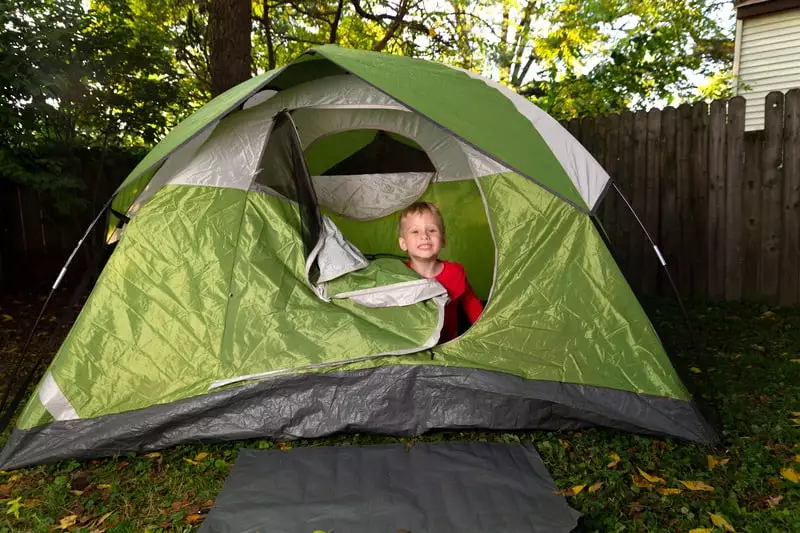
For the tent, the size question is about what you plan to do in it. A small dome like the Coleman Sundome is enough for sleeping and pitches in about ten minutes. A larger cabin tent costs more and takes up half the lawn, but it lets everyone sit up inside and play cards when it rains, which on a backyard trip is most of what the tent is for.

Sleeping bags matter more than people expect, because yards get colder at 3am than anyone plans for. Match the temperature rating to your climate rather than buying the cheapest one. If you are buying for a child specifically, the Coleman Kids 50 sleeping bag is sized for kids up to about five feet and glows in the dark, which is a bigger selling point at that age than any spec.
Lighting is the easy one now. Rechargeable LED lanterns like the Ezorkas two-pack camping lanterns weigh almost nothing, run off USB or AA batteries, and remove the whole question of fuel canisters near children. Two is better than one so nobody has to walk to the bathroom in the dark.
Bring a first aid kit outside with you rather than leaving it in the bathroom cabinet. Splinters and scraped knees are the realistic injuries of the evening.
What to actually do out there
The reason backyard camping fails is almost never safety. It is that everyone is in a tent at 8:30pm with nothing to do. Have a few of these ready.
Ghost stories
The default, and still the best. Pitch them at the age of the youngest kid present, not the oldest. An older sibling’s favorite story is a guaranteed 2am trip back into the house.
Telephone
One person whispers a word or phrase to the person on their left, it goes round the circle, and the last person says out loud what they heard. It is barely a game and it is reliably funny. Better with more people, but one deliberate mischief-maker in the chain does the job in a small group.
Build a story together
Each person adds a sentence or a scene. It gets ridiculous fast, which is the point, and it works well in the dark when nobody can see anything.
Tag, hide and seek, or a scavenger hunt
Use whatever daylight is left for tag or freeze tag. Hide and seek needs a bit of yard. The scavenger hunt is the one that works after dark: hide small treats or toys around the yard, hand out flashlights, and give clues. Tell them where not to go first.
Lawn games
Cornhole is the classic. A giant Jenga set works well by lantern light because the blocks are big enough to see, and it is one of the few games that adults will actually keep playing.
A board game or a book
Carrying a board game outside makes a game the kids were bored of interesting again purely because of the setting. And reading a chapter of something with a bit of adventure to it, by lantern, is a good way to bring the energy down before anyone is supposed to sleep.
Cook something
Beyond hot dogs and s’mores: kebabs, foil-packet meals, breakfast sandwiches in the morning, hot cocoa when it gets cold. Anything that requires the kids to do a job is better than anything you hand them finished.
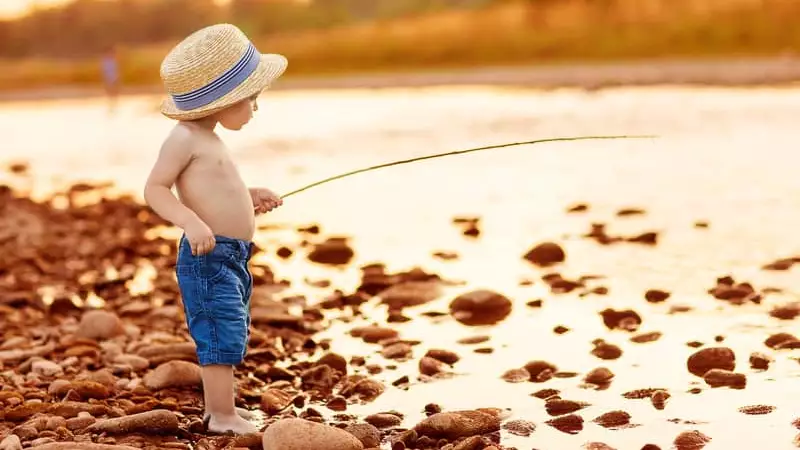
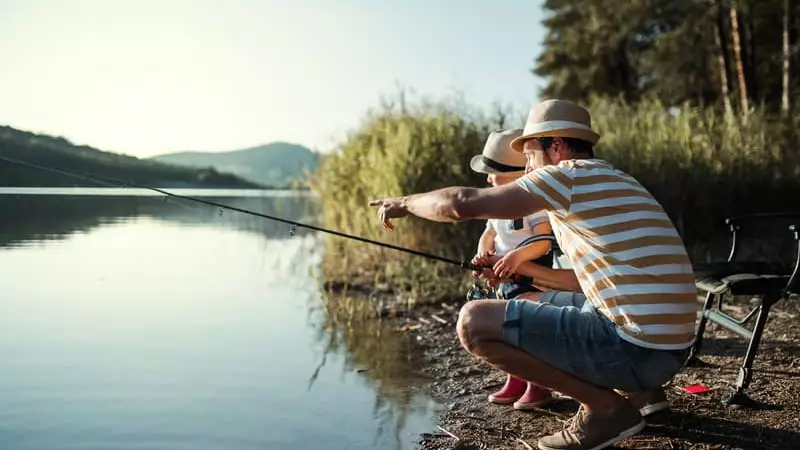
If the whole point was getting them outdoors and away from screens, this tends to lead on to other things. Metal detecting and learning to fish are both natural next steps for a kid who has just discovered they like being outside after dark.
Break camp as a team in the morning
The camping is not over when everyone wakes up. Have the kids help take the tent down, roll or stuff the sleeping bags, and pick up every scrap of trash off the lawn. If you had a fire, make sure it is dead out and put the ring back the way you found it.
Leave-no-trace is easier to teach in a yard than in a national park, and it takes about fifteen minutes. Kids who learn to strike a camp at seven are useful to have around on a real trip at twelve.
Questions people ask
What age can kids camp in the backyard alone?
There is no set age, and it depends more on the kid than the number. The useful test is whether they would come and get you if something went wrong, and whether they would follow the leave-the-yard rule with nobody watching. If you are unsure, sleep out with them once and see how it goes.
Is it safe to leave a tent up in the backyard?
For a night or two, yes. Longer than that and you get a dead yellow rectangle in the lawn, and the tent itself degrades in UV faster than most people expect. Take it down, let it dry properly, and store it out of the sun.
Do we need bug spray for one night in our own yard?
If mosquitoes or ticks are around where you live, yes. Your yard is not meaningfully different from a campground at dusk. Emptying standing water beforehand does as much good as the spray does.
What if a kid wants to come inside at 2am?
Then they come inside. Plan for it, leave a door unlocked or make sure they can reach you, and do not make it a failure. A first attempt that ends early is not a wasted one, and the second usually goes better.