In this article
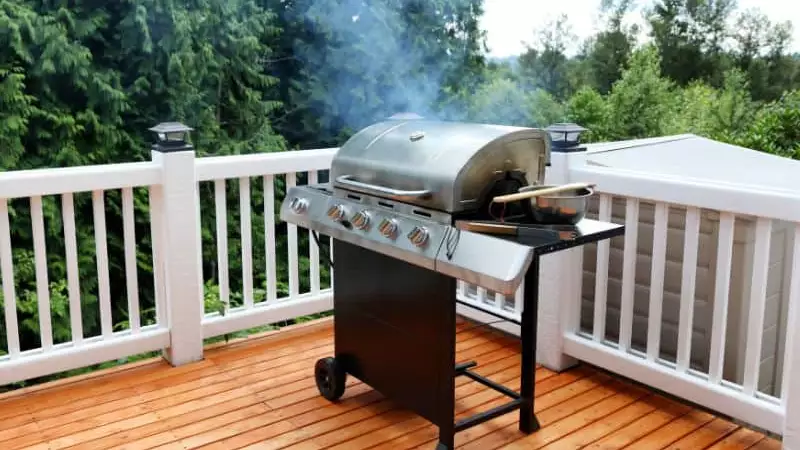
If you’re grilling, you’re going to have to dispose of charcoal and ash after you’re done. You generally want to clean the ash out of your grill after every session, but what’s the best way to dispose of charcoal and ash?
Well, it depends on the type of charcoal you’re using. In this article, we’ll share how to properly dispose of charcoal. We’ll tell you which kinds of charcoal can be reused for other purposes, and which type you should just toss— and how to do it properly.
Disposing of The Different Types of Charcoal
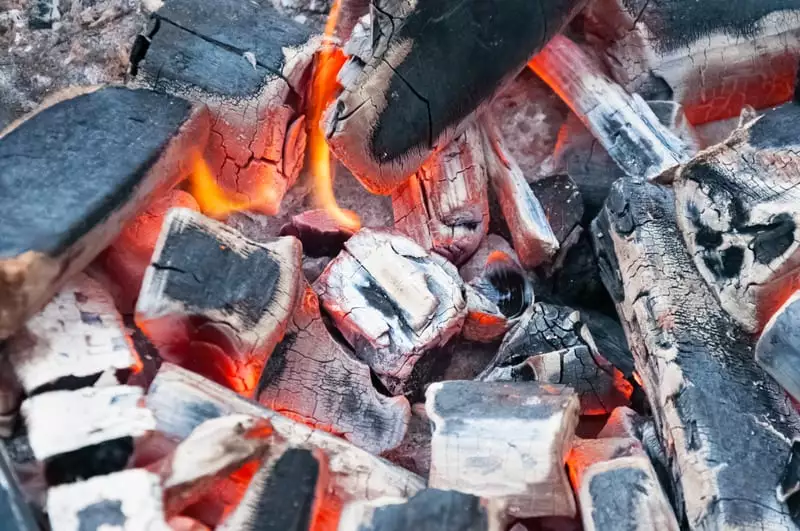
Before you decide which disposal method you’ll use, it’s a good idea to know what kind of charcoal you’re cooking with. There are two different types: charcoal briquettes and lump charcoal, which is sometimes called lumpwood.
Generally speaking, briquettes are made with additives that help them burn consistently and hold them together. As a result, you’re limited in how you can dispose of used briquette charcoal and ash.
Lump charcoal, on the other hand, is all-natural, made from burning wood in the absence of oxygen. As a result, you have many different options when it comes to the proper disposal of lump charcoal and ash.
Keep in mind that it’s best to look at your charcoal bag to see if the kind you use is additive-free or not. Some briquettes are additive-free, and some aren’t. On the same token, some charcoal advertised as ‘lump charcoal’ does, in fact, have additives. If you’re not sure, it’s best to safely throw your used charcoal away.
Safely Disposing of Any Type of Charcoal and Ash
If you want to save a few dollars and extend the life of your bag of charcoal, we recommend using any half-burned pieces of charcoal on your next grilling session. You can do this with any type of charcoal, additive-free, or not.
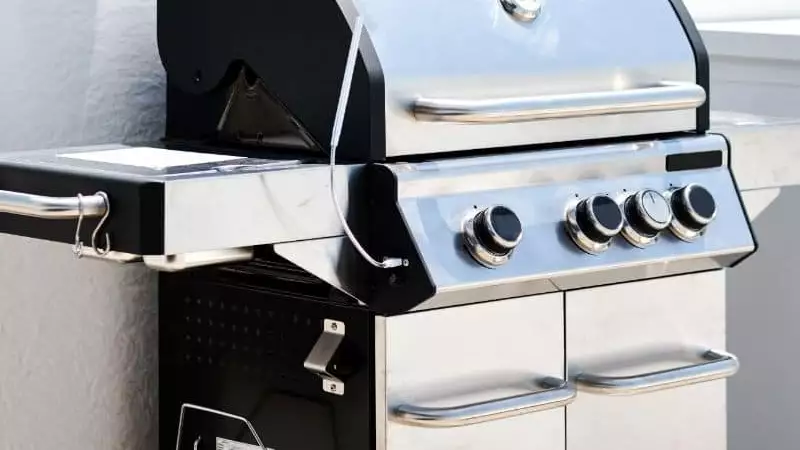
Simply separate the charcoal from the ash using a kick ash basket, or some other means of separation. Only do this once you’re sure your coals are safe to handle.
To extinguish your coals, close the lid and vents on your grill and wait 48 hours. Once the charcoal and ashes are safe to touch, you can separate the ash and charcoal. Set aside the chunks of charcoal, or put them back in your grill for later use. You’ll want to mix the old pieces with new ones the next time you cook.
For disposing of the ashes for any type of charcoal, there’s one easy way to do this. Once the ashes have thoroughly cooled, scoop them into used aluminum foil and wrap them up. You can then dispose of the aluminum foil in your garbage bin.
Since putting hot ashes into your trash bin can cause problems, make sure you wait at least 48 hours after you grill before doing this. If you need to scoop the ashes into something in the meantime, you can use an ashcan.
If you use lighter fluid to help ignite your grill, it’s best to use the methods above for proper charcoal disposal. Even if you use natural lump charcoal, the lighter fluid contains chemicals that stick around in the ash and half-burned charcoal. Simply wait for the ashes to cool, place them in aluminum foil, and throw them out with the trash.
Which Pieces Are Worth Saving
Not every chunk left in the grill is still fuel. There is an easy test for it. Pick up a cold piece and squeeze it. If it breaks apart in your fingers, it is mostly ash and it goes in the foil with the rest. If it holds its shape, it will burn again.
Reusing charcoal does not change how your food tastes. What it changes is how easily the fire lights. Used pieces are smaller, and small pieces settle together and choke off the airflow a fire needs. So layer the old in with new charcoal rather than filling the chimney with leftovers, whether you are using a chimney starter or just piling coals in the grill.
The other way to use them up is mid-cook. If you are grilling long enough that you would be adding fuel anyway, keep the old pieces to one side and drop them on top of coals that are already burning. That skips the lighting problem entirely, and it is a reasonable way to keep a grill hot through a long session.
Uses of Additive-Free Charcoal
If you use natural, additive-free charcoal, you’ve got several options for proper charcoal disposal.
#1 Gardening and Composting With Charcoal
Only ash from plain lump charcoal (nothing but burned wood) belongs in a garden, and only a little of it: it raises soil pH, so skip it if your soil is already alkaline. Ash from briquettes should stay out of the garden and the compost pile. Briquettes carry binders and additives, and any lighter fluid residue comes along with the ash. Let it go fully cold, bag it, and put it in the trash.
#2 Absorb Moisture and Odors With Charcoal
If you have a smelly closet or tools that are always rusting, you can use your leftover charcoal to help out. Placing your charcoal in a breathable container in your closet or your toolbox can help absorb moisture and odor. This works best if you replace the charcoal on occasion.
#3 Keep Pests Away With Charcoal Ashes
While you should keep charcoal and ashes away from plants that like acidic soil, you can use them to keep certain pests away from other plants. Ashes sprinkled around your tomato plants can help keep aphids away. Plus, the high salt levels can help keep slugs and snails from eating your garden. But, once the ash gets wet, it loses its protective properties, so you’ll need to replenish.
#4 Keep Flowers Longer With Charcoal
Placing a piece of charcoal in the bottom of a flower vase can help flowers stay perky longer. You’ll want to make sure the charcoal stays at the bottom by placing a few stones or gravel on top. You’d be surprised at how well this works!
If You Can’t Wait 48 Hours
Closing the lid and the vents and waiting is the easiest method, but it is not the only one. If you need the grill cleared out sooner, scoop the coals into a metal container with a lid and put the lid on. The lid starves the coals of oxygen the same way closing up the grill does. Set the container somewhere it cannot scorch anything, because it will get hot. You are still waiting 24 to 48 hours before those coals are safe to handle.
If you genuinely cannot wait, fill a heat-resistant container with water, lift the coals out with tongs, and drop them in. That puts them out in seconds. The trade is that soaked charcoal is not usable again until it has sat in the sun for a day or two to dry.
One thing not to do: don’t pour water into the grill with the coals still sitting in it. The sudden temperature change can crack the grill, and the water left behind will rust it. Wear gloves any time you are moving hot coals around, too.
In Conclusion
As you can see, there are plenty of ways to properly dispose of charcoal after grilling. Most commonly, cold charcoal and ashes are put into aluminum foil and tossed with the trash. You can also scoop them into an ashcan and dispose of them later when the can gets full, which is a good option for people who grill often.
Be mindful of what kind of charcoal you’re using. Most briquettes are made with additives that can be harmful if you spread the charcoal or ashes in your garden or compost pile. Use the lump charcoal ashes to keep aphids and slugs away from your garden. Half-burned charcoal can be used to reduce moisture and odor around the house. Plus, you can drop a piece in a flower vase to help the buds stay perky.
Lastly, the most important thing to remember when disposing of charcoal is to make sure it has thoroughly cooled before touching it. To do this, close the lid and any vents on your grill and wait at least 48 hours.
Stay safe and happy grilling!